INDIRA DICKHÄUSER
“Sport is a powerful way for us to connect and share our struggles together.”
Meet Indira Dickhäuser, 25-year-old national badminton player with Indonesian and German roots. She began playing at seven and went on to train and compete internationally at a German high school. Alongside her sporting career, she is committed to raising awareness around global issues and using her journey to create positive change.
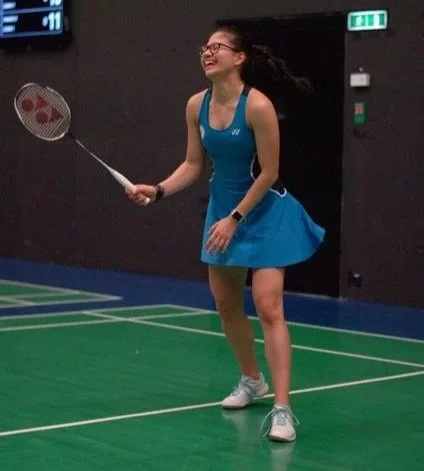
“My dad always encouraged me to do sports when I was younger, so I tried many activities such as judo, tennis, athletics, gymnastics, and of course badminton, which I ultimately decided to pursue.”
“My friends during my time in Germany played an important role in my development, both as an athlete and as a person. I wouldn’t be who I am today without their support. From motivating me to pushing me academically, they shaped different aspects of my life. Thank you, Emma, Chiara, Kristina, Maria, and Lea.
Throughout the years in Germany, Indonesia, and Japan, women have always provided a safe space for me. Whenever I struggled with performance or faced difficulties, I could rely on my female friends. As women, sport can be challenging: we are often paid less, compared to men, and judged for our bodies. But sport is also where we connect, support one another, and grow together.
Even though we compete against each other, I’ve always valued the feedback, encouragement, and honesty we share. Through these experiences, I realised I want to become a support system for younger girls in sport and help guide them through their journey.”
MENTAL HEALTH IN SPORT
“The approach to mental health in sport has changed for the better. More athletes now have access to sport psychologists, which is a great step forward. However, I feel men still struggle to speak openly about their mental health, though I hope that continues to improve.
We are also seeing more women step away from competition to prioritise their well-being. Simone Biles and Naomi Osaka have played a huge role in this. Their transparency showed that mental health matters, and I hope it encourages younger athletes to take their well-being seriously.”
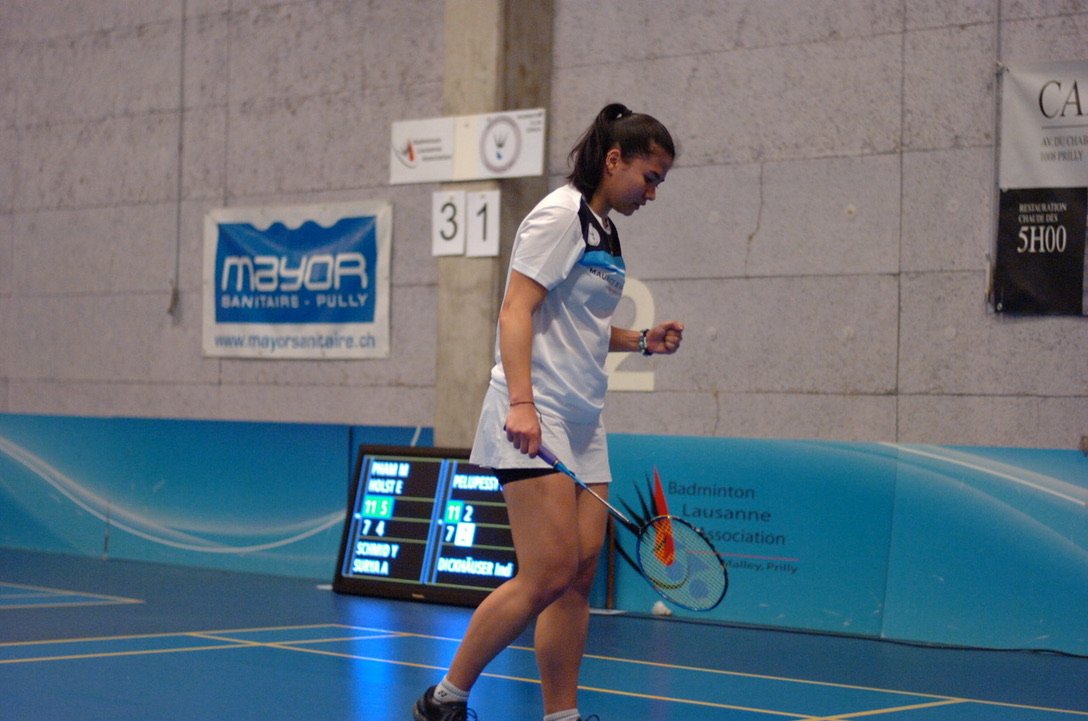
THE ROLE OF COACHES AND RESOURCES NEEDED
“Coaches play a crucial role — not only in performance, but in protecting athletes’ mental well-being. I’ve seen friends leave competitive sport because they didn’t feel supported. Coaches must create safe environments where athletes feel seen, heard, and empowered.
Mental health is closely connected to physical health. Having access to a sport psychologist helps, but so does proper nutrition, strong friendships, mental skills training, and leaders who understand each athlete’s individual needs. Every athlete is different, and flexibility is essential.
INDIRA’S JOURNEY
“Sport has been a big part of my life and always will be. Over time, creating change became more important to me than becoming a professional athlete. Every dream is valid, and young girls deserve to be supported.
Be powerful and fearless. Compete for yourself. Trust your voice, even when it feels small. Take up space. Make mistakes. Learn from them. Your perspective matters and the sport industry needs women willing to challenge norms and create change.”
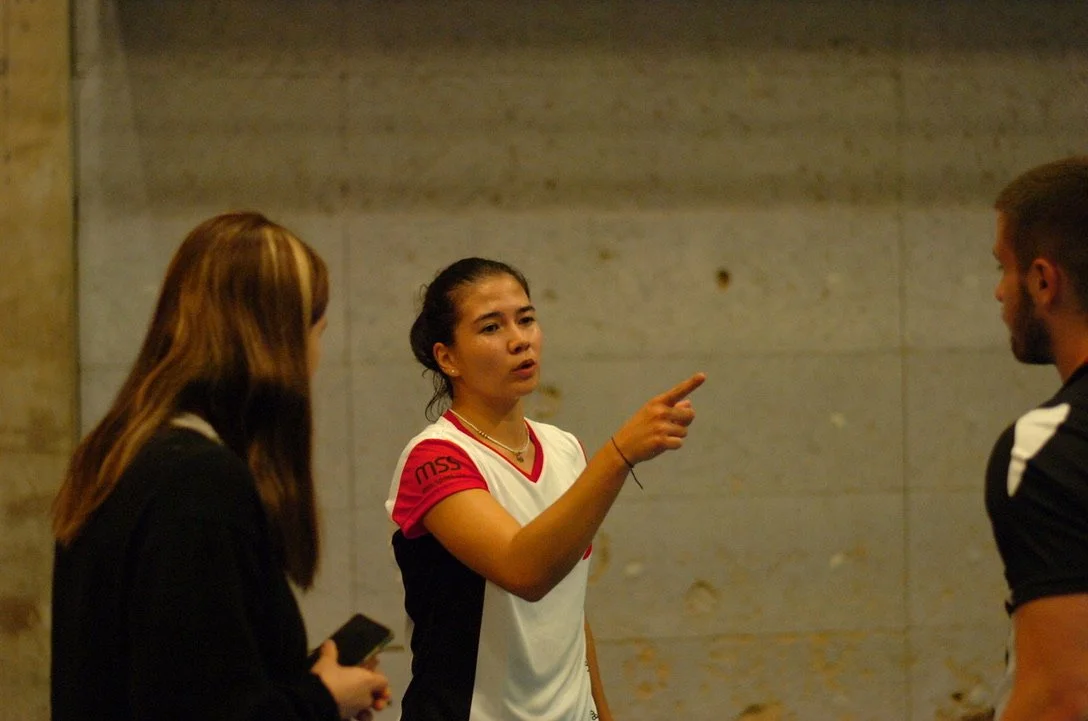
“Rely on the people you trust and be open about how you feel. Never keep your emotions inside — express them through writing, movement, art, or conversation. Asking for help is not weakness; it is strength.”