LIPA NESSA
“I’m going to change the world with a hijab on my head and a ball at my feet.”
Meet Lipa Nessa, a multi-award winning sports activist and grassroots football coach, committed to growing the game beyond the level she experienced as a semi-professional player. She actively engages minority communities and turns advocacy into action through sport. Her work focuses on inclusion, opportunity, and using football as a tool for social change.
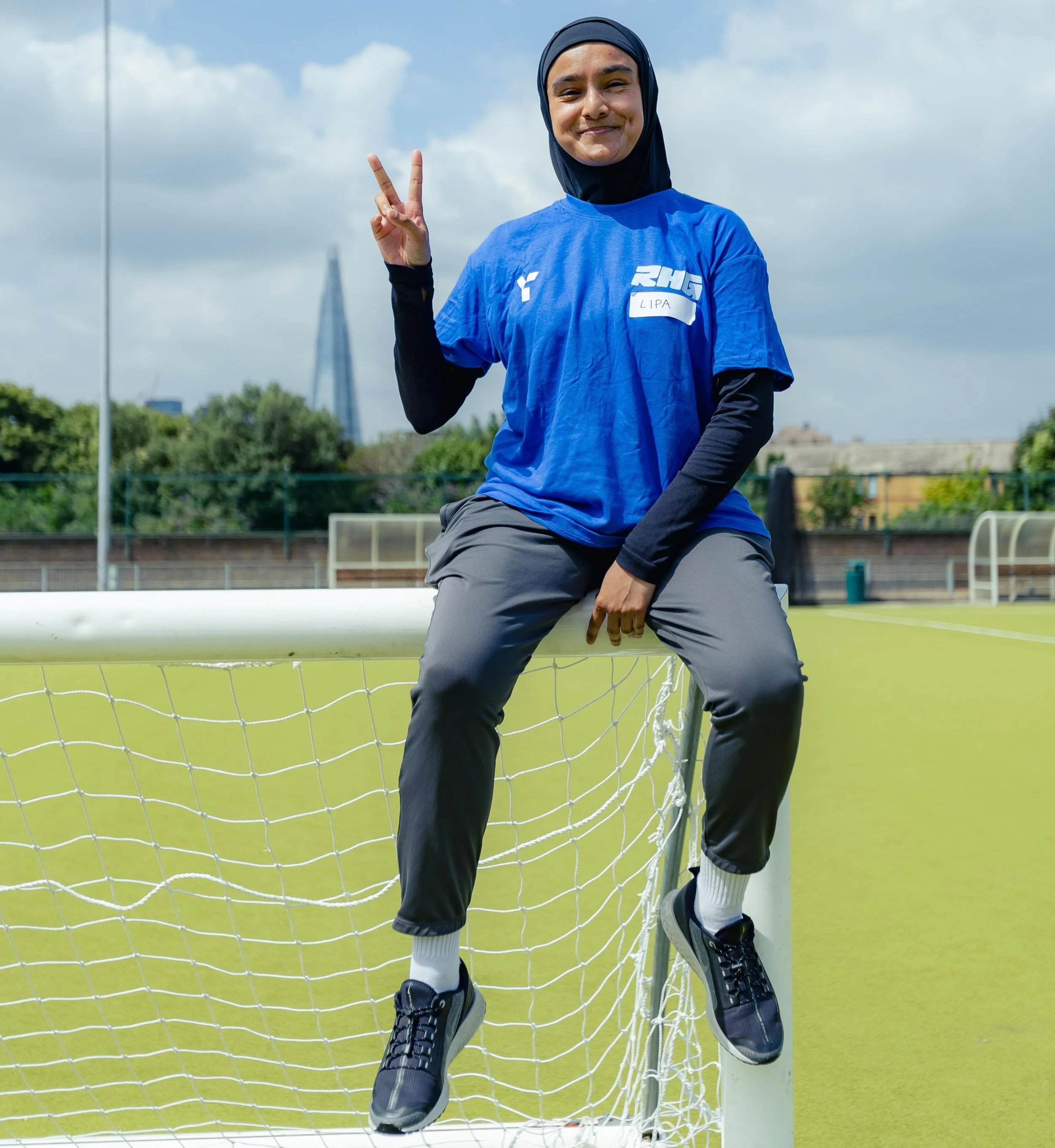
“My journey in sport began with football at a young age. I was always playing, often with boys in the playground at lunch and break times, or at home with neighbours or just a brick wall.
A PE teacher recognised my ability and encouraged me to join a team, which led me into competitive football and eventually semi-professional football as a teenager.”
“My PE teachers played a major role by recognising my talent and pushing me to pursue football more seriously. A number of coaches and unofficial mentors along the way helped me stay in the game, even when I faced challenges returning to football through coaching.
I have also been fortunate to have supportive organisations and partners who believed in my mission and helped amplify my voice and my work in inclusion and representation. My main support has always been my faith. Without it, I would never have pursued this journey to this point.
My experiences as a player — both the opportunities and the barriers — later pushed me into coaching and sports activism.
Even though parts of my own community looked down on me, I was never alone. Whether it was teachers at my secondary school, lecturers at university, backroom staff, or people who found inspiration in my journey, I have always been surrounded by people who care.
Even when we have different religious and cultural norms and values, sport goes beyond identity. It lives in a shared love of the game.”
BARRIERS TO DIVERSITY & INCLUSION IN SPORT
“Systemic barriers in sport include a lack of access to facilities and programmes for underrepresented groups, unconscious bias in recruitment and coaching, and cultural assumptions about who ‘belongs’ in certain sports. Financial barriers and limited role models for minority communities can also make it harder for girls and women to pursue sport seriously.
To dismantle these barriers, we need intentional policies that increase access, targeted mentorship schemes, and programmes that make sport welcoming to everyone. Representation at all levels, from grassroots to leadership, is key, alongside educating decision-makers about the value of inclusion and diversity.
Storytelling is powerful because it shapes perceptions and gives visibility to people who are often overlooked in sport. Representation in media allows young girls, minority communities, and athletes from underrepresented backgrounds to see themselves reflected and inspired.
To ensure authentic narratives, we need to share stories directly from the voices of those communities, involve diverse storytellers in media production, and focus on challenges, achievements, and day-to-day realities rather than tokenistic portrayals. Platforms such as podcasts, social media campaigns, and grassroots initiatives are vital tools to amplify these voices.
HOW DIVERSE PERSPECTIVES DRIVE MEANINGFUL CHANGE
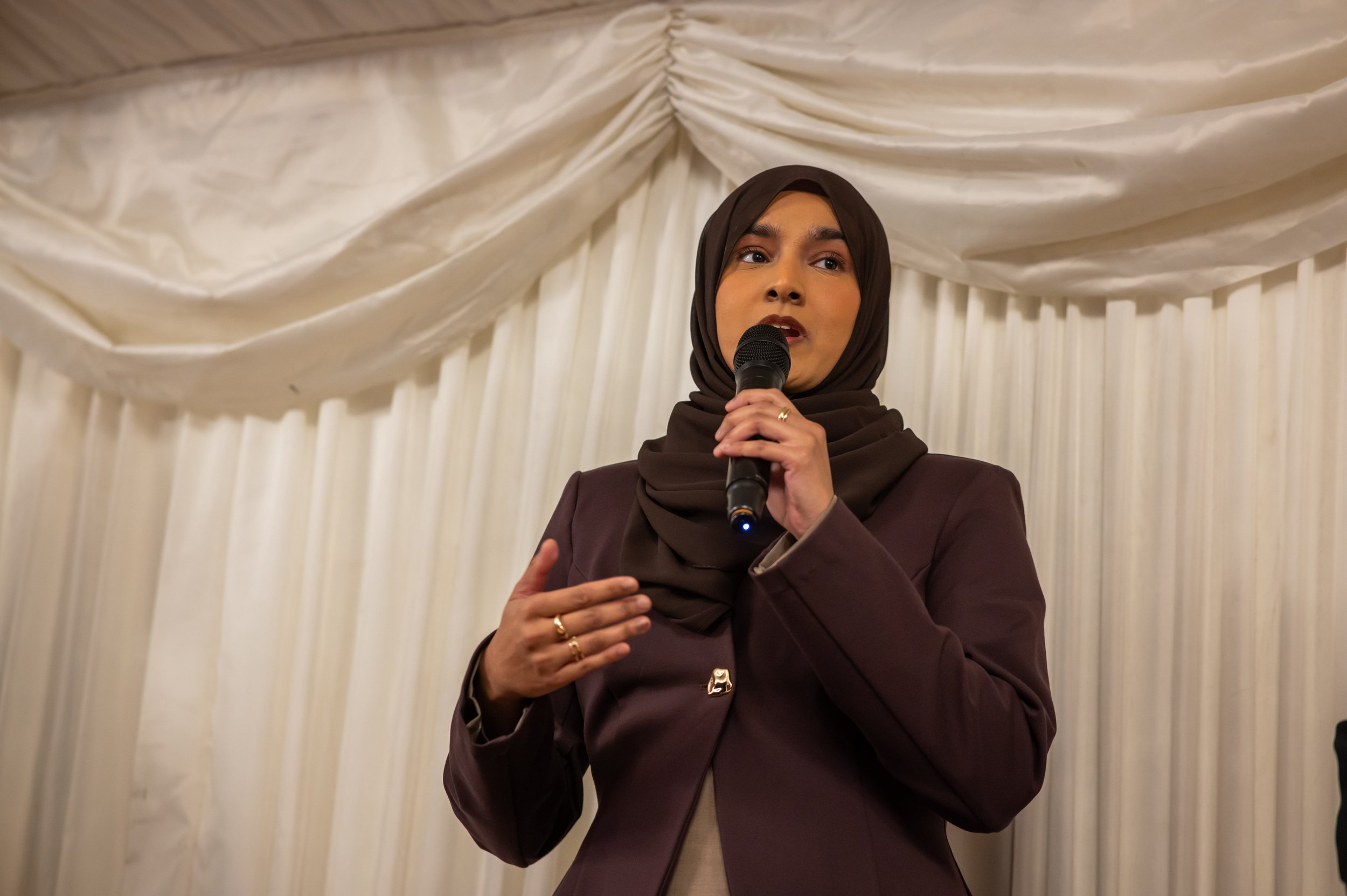
“One experience that stands out is working with decision-makers and leaders in sport from diverse socio-economic backgrounds, geographic locations, abilities, cultures, and faiths. Collaborating in these spaces has shown me the power of different perspectives in shaping programmes that are truly inclusive.
For example, being involved in the development of performance sports hijabs and accompanying toolkits for schools allowed us to create resources that make sport accessible to Muslim women and girls without compromising their identity.
Seeing these initiatives adopted across communities and organisations has been incredibly rewarding, as it demonstrates that diversity leads to practical solutions and meaningful change in sport.”
CHANGING THE NARRATIVE OF BELONGING IN SPORT
“Through my journey, I want to show that you can belong in sport without compromising who you are. My message is about breaking barriers, increasing representation, and opening doors for women and girls from minority backgrounds.
I live by the belief, ‘I’m going to change the world with a hijab on my head and a ball at my feet,’ and my work is about turning that belief into action and impact, as a Muslim woman of British Bangladeshi heritage.
Be bold about your ambitions and do not wait for permission to take up space in sport. Find allies, build your own platforms if needed, and stay true to your identity and purpose.”
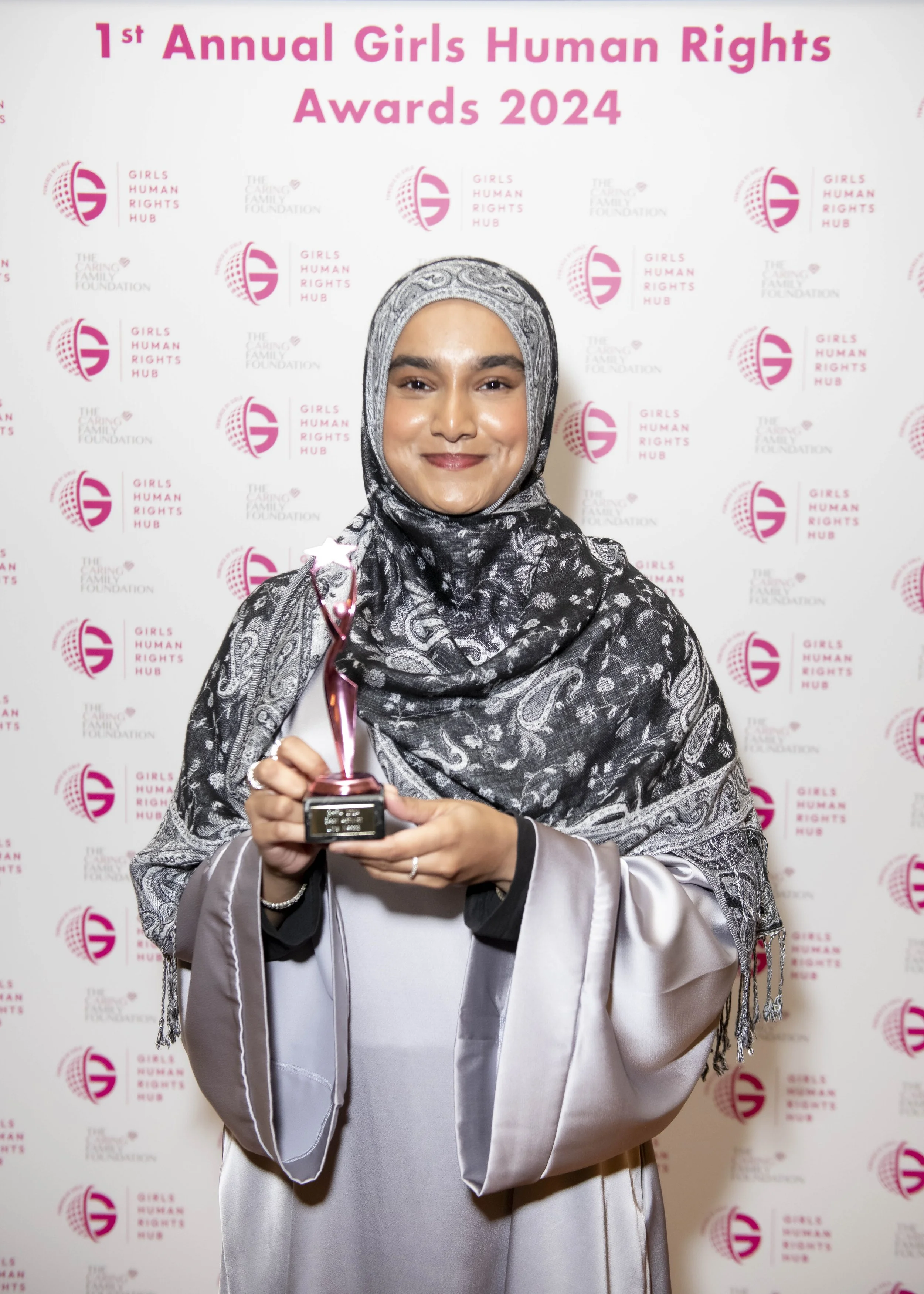
“Challenges will come, but your voice and perspective are needed in this industry, and sport is a powerful tool for change when used with intention. If a seat at the table is scarce, build your own and place your chair there. You belong in sport, everyone does, so why should now be any different?”